



-
×
 1-2-3 Magic: 3-Step Discipline for Calm, Effective and Happy Parenting - Thomas W. Phelan
4 × $84.00
1-2-3 Magic: 3-Step Discipline for Calm, Effective and Happy Parenting - Thomas W. Phelan
4 × $84.00 -
×
Qi Medicine - Dr. Roger Jahnke, OMD
2 × $92.00
-
×
Deal Makers Course 2024 By Jay Abraham
1 × $199.00
-
×
'MAGNETIC INFLUENCE' - Magnet for Money, Charisma, Confidence! - Dani Johnson
4 × $63.00
-
×
Spanish for HealthCare Professionals: Intensive Online Course - Tracey Long
1 × $65.00
-
×
12 Dimensions of Mastery (Lifebook Challenge)
1 × $92.00
-
×
Advanced Strength and Power - Dan Baker
4 × $42.90
-
×
'Quantum' Chakra Clearing and Balancing Series - Jonette Crowley
1 × $52.00
-
×
2017 GrowthHackers Conference Virtual Pass - Growth Hackers
2 × $70.00
-
×
(Bundle) Pindepth: Advanced Pinterest Marketing for Business - Kayla M. Butler
3 × $44.00
-
×
Sue Nelson - Buying from Bank Home Study Course
1 × $137.00
-
×
10 Activities to Enhance Social-Emotional Literacy in the Classroom: Transform Student Behavior from Chaos to Calm - Lynne Kenney
1 × $19.00
-
×
Holczer Balazs - Quantitative Finance & Algorithmic Trading in Python
1 × $9.00
-
×
101 Practical Strategies for the Treatment of GAD, Panic, OCD, Social Anxiety Disorder, Phobias and Insomnia - Jennifer L. Abel
4 × $124.00
-
×
$0 to $100,000 on Amazon (Premium Live Training) – Matt Clark and Jason Katzenback
2 × $193.00
-
×
"Is Your Soul Allowing You To Heal?" -- All 7 Recordings in the Series (6 Hours of Audio Clearings)
2 × $83.00
-
×
$50K/Month TikTok Agency™ Webinar - Serge Gatari
1 × $29.00
-
×
101: Access Your Psych Capital - The ReThink Group
1 × $90.00
-
×
Legal Risks for Nurses: Protect Yourself from the Courtroom! - Rachel Cartwright-Vanzant
2 × $44.00
-
×
Python 3: Deep Dive (Part 2 - Iteration, Generators)
1 × $38.00
-
×
“The Beast” Automated Trading System V2 (Feb 2015)
2 × $36.00
-
×
10 Steps to Greater Confidence and Self-Esteem - Alexis Meads
3 × $42.00
-
×
Rhode Island Legal and Ethical Issues for Mental Health Clinicians - Susan Lewis
1 × $84.00
-
×
Certified Clinical Anxiety Treatment Professional (CCATP) Training Course: Applied Neuroscience for Treating Anxiety, Panic, and Worry - Catherine M. Pittman
1 × $125.00
-
×
1 Lead A Day - Bryan Kreuzberger
1 × $103.00
-
×
‘The Iceman’ 10-Week Video Course – Wim Hof Method
2 × $35.00
-
×
$1K A Day Fast Track – Merlin Holmes
6 × $123.00
-
×
Proven Fall Prevention Strategies: Exercise, Meds Management and Home Modification - Trent Brown
1 × $40.00
-
×
10 Best-Ever Anxiety Treatment Techniques - Margaret Wehrenberg
2 × $164.00
-
×
Wholesaling Lease Options Simplified - The REI Money Magnet - Joe McCall
1 × $33.00
-
×
Business Giveaway Machine – Coaching Program - Carl Allen
5 × $85.00
-
×
$200k Book Blueprint Training – Richelle Shaw
1 × $96.00
-
×
123 Manifest It - Marlenea Johnson
4 × $152.00
-
×
12 Minute Stage Crazy - Body of a Rock Star
2 × $22.00
-
×
$42000 Mastermind Manuscript 2008 - Rich Schefren
1 × $23.00
-
×
“Email Response Warrior + Email Inbox Warrior” – Jason Henderson
1 × $78.00
-
×
[BIG Collection Real Estate] Real Estate Web Academy – Great Real Estate Giveaway
1 × $88.00
-
×
30-Day Affiliate Marketing Challenge Training - Jaiden Gross
1 × $45.00
-
×
Finding Motivated Sellers - Ron Legand
1 × $454.00
-
×
Mike Dillard - Elevation Income Course
1 × $71.00
-
×
#1 Professional Email Signature Creation: Photoshop to HTML - Marty Englander
1 × $15.00
-
×
Dave Kaminski - Steal My Secrets 2.0
1 × $92.00
-
×
"Fix My Job" binaural mantra meditation for attracting work you love - Michael Davis Golzmane
2 × $17.00
-
×
Disposition Wholesaling - Carlos Reyes, Alex Saenz, Sal Shakir
1 × $125.00
-
×
$8K Per Day Formula - Chris Record
2 × $43.00
-
×
Land Trust Document Packet - Kris Haskins
1 × $84.00
-
×
Qigong 101 - Flowing Zen
1 × $179.00
-
×
2-Day: Certificate in Stroke Rehabilitation: Best Practices for Rapid Functional Gains and Improved Outcomes - Ben - Benjamin White
1 × $94.00
-
×
1 Hour SEO | Become a Technical Marketer
3 × $40.00
-
×
2018 Geriatric Conference - Steven Atkinson
1 × $85.00
-
×
Kindra Hall - Stories That Stick
1 × $12.00
-
×
The 0.10 Second Difference - EXOS
1 × $42.90
-
×
Ben – The Powerbuilding Peaking Program
1 × $23.00
-
×
Command Z - Esozone Codex Brain Change Course
1 × $42.00
-
×
100 Brain-Changing Mindfulness Techniques to Integrate Into Your Clinical Practice - Debra Burdick
1 × $84.00
-
×
All Things Cardiac: Evidence-Based Approaches to Manage Any Situation - Cyndi Zarbano
1 × $85.00
-
×
0-100K Case Study – Grant Ambrose
1 × $123.00
-
×
Autoresponder Alchemy
1 × $34.00
-
×
Cardiopulmonary Therapy for the Rehab Professional: Therapeutic Interventions for All Aspects of Cardiac Care - From ICU to Outpatient - Cindy Bauer
1 × $84.00
-
×
Impending Doom: Crisis Prevention and Management in the Deteriorating Patient - Rachel Cartwright-Vanzant
2 × $85.00
-
×
10 Brain-Based Strategies: Help Children Overcome Anxiety and Promote Resilience - Tina Payne Bryson
1 × $29.00
-
×
Gabrielle Moore – The G Spot Code pdf
1 × $12.00
-
×
The Body Coach Workout - Joe Wicks
1 × $29.00
-
×
EXOS Presents: The 0.10 Second Difference
1 × $53.00
-
×
PluralSight - Path - Linux Fundamentals
1 × $48.00
-
×
"Male Physique Training Templates" - Renaissance Periodization
1 × $42.00
-
×
Palliative Wound Care: Management of Complex and Unique Wound Challenges at the End of Life - Laurie Klipfel
2 × $85.00
-
×
Advanced EKG Assessment - Cathy Lockett
1 × $30.00
-
×
Medical Marketing Mastery 100k Local Marketing Business - Jeff Smith
1 × $72.00
-
×
Optimizing Compliance and Maximizing Revenue for Ophthalmology and Optometry - Jeffrey P. Restuccio
1 × $85.00
-
×
1% Better Every Day Strength Building System - Ricky Lundell
1 × $32.00
-
×
Affiliate Millionaires 3.0 2017 – Greg Davis
2 × $139.00
-
×
2-Day Neuro-Based Self-Regulation Toolbox For Children and Adolescents
1 × $180.00
-
×
100k Coaching Shortcut Secret - Scott Jansen
1 × $52.00
-
×
The Charge Activation Training - Anodea Judith"
1 × $232.00
-
×
2-Day: Rapid Response: Master the Critical Signs and Symptoms that Patients Provide - Rachel Cartwright-Vanzant
1 × $95.00
-
×
21 Day Inner Healing Journey - Jimmy Evans
1 × $20.00
-
×
Lion Zeal - Agency Immersion
1 × $137.00
-
×
Advanced Physiological Strength - Elliott Hulse
1 × $43.00
-
×
Judgment Recovery Secrets - Mr. Grey
1 × $245.00
-
×
Aura Turbo Robot
1 × $55.00
 1-2-3 Magic: 3-Step Discipline for Calm, Effective and Happy Parenting - Thomas W. Phelan
  Deal Makers Course 2024 By Jay Abraham
  'MAGNETIC INFLUENCE' - Magnet for Money, Charisma, Confidence! - Dani Johnson
  'Quantum' Chakra Clearing and Balancing Series - Jonette Crowley
  (Bundle) Pindepth: Advanced Pinterest Marketing for Business - Kayla M. Butler
  Sue Nelson - Buying from Bank Home Study Course
  Holczer Balazs - Quantitative Finance & Algorithmic Trading in Python
  $0 to $100,000 on Amazon (Premium Live Training) – Matt Clark and Jason Katzenback
  "Is Your Soul Allowing You To Heal?" -- All 7 Recordings in the Series (6 Hours of Audio Clearings)
  Python 3: Deep Dive (Part 2 - Iteration, Generators)
  “The Beast” Automated Trading System V2 (Feb 2015)
  1 Lead A Day - Bryan Kreuzberger
  ‘The Iceman’ 10-Week Video Course – Wim Hof Method
  $1K A Day Fast Track – Merlin Holmes
  Wholesaling Lease Options Simplified - The REI Money Magnet - Joe McCall
  $200k Book Blueprint Training – Richelle Shaw
  $42000 Mastermind Manuscript 2008 - Rich Schefren
  Finding Motivated Sellers - Ron Legand
  Mike Dillard - Elevation Income Course
  #1 Professional Email Signature Creation: Photoshop to HTML - Marty Englander
  Dave Kaminski - Steal My Secrets 2.0
  "Fix My Job" binaural mantra meditation for attracting work you love - Michael Davis Golzmane
  Disposition Wholesaling - Carlos Reyes, Alex Saenz, Sal Shakir
  $8K Per Day Formula - Chris Record
  Qigong 101 - Flowing Zen
  Kindra Hall - Stories That Stick
  Ben – The Powerbuilding Peaking Program
  0-100K Case Study – Grant Ambrose
  Gabrielle Moore – The G Spot Code pdf
 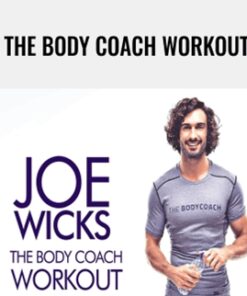 The Body Coach Workout - Joe Wicks
  EXOS Presents: The 0.10 Second Difference
  PluralSight - Path - Linux Fundamentals
  "Male Physique Training Templates" - Renaissance Periodization
  Lion Zeal - Agency Immersion
  Advanced Physiological Strength - Elliott Hulse
  Judgment Recovery Secrets - Mr. Grey
  Aura Turbo Robot
 You may be interested in…
-
Add
 ...and Forgive Them Their Debts - Michael Hudson
$37.00
...and Forgive Them Their Debts - Michael Hudson
$37.00 -
Add
Qigong 101: The Art of Healing for Busy People
Original price was: $500.00.$35.00Current price is: $35.00.
-
Add
1-Hour Home Selling Machine – Wolff Couple
Original price was: $1,997.00.$293.00Current price is: $293.00.
-
Add
10x Formula Intensive Training – Lee McIntyre
Original price was: $797.00.$59.00Current price is: $59.00.
-
Add
10th Planet Jiu-jitsu All Stars
Original price was: $59.90.$27.00Current price is: $27.00.